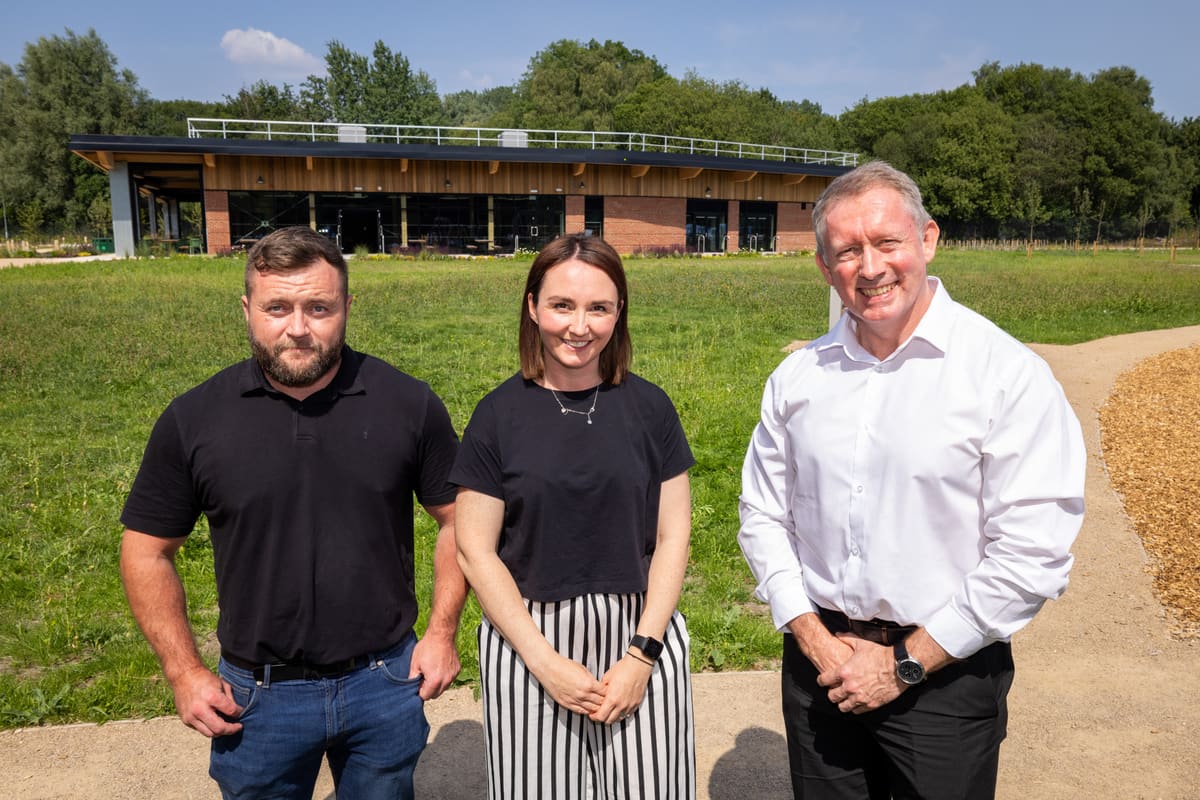
Northern Roots has received the keys to its new Welcome Building and Forestry Skills Centre, marking final preparations for the opening of the UK's largest urban farm and eco-park on Saturday 19 September. The handover from contractors Willmott Dixon to Oldham Council and the Northern Roots charity signals a major milestone for the project, which has taken five years to develop.
The 160-acre site next to Alexandra Park transforms underused land into a landmark destination for nature, health, learning, enterprise and community activity.
What visitors will find
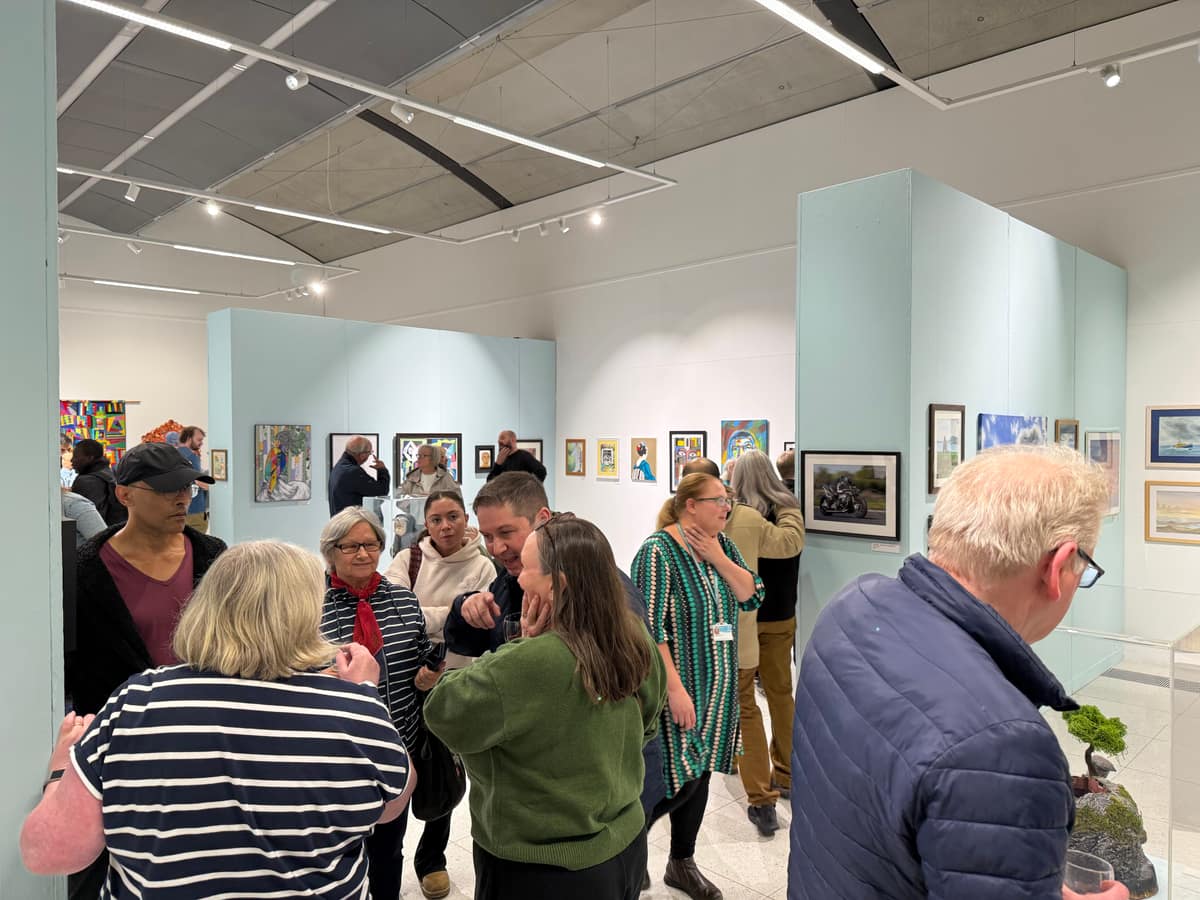
The new Welcome Centre features a café, shop and production kitchen, designed as a vibrant hub for visitors. Two flexible spaces within the building will accommodate school visits, community events, meetings, exhibitions and performances.
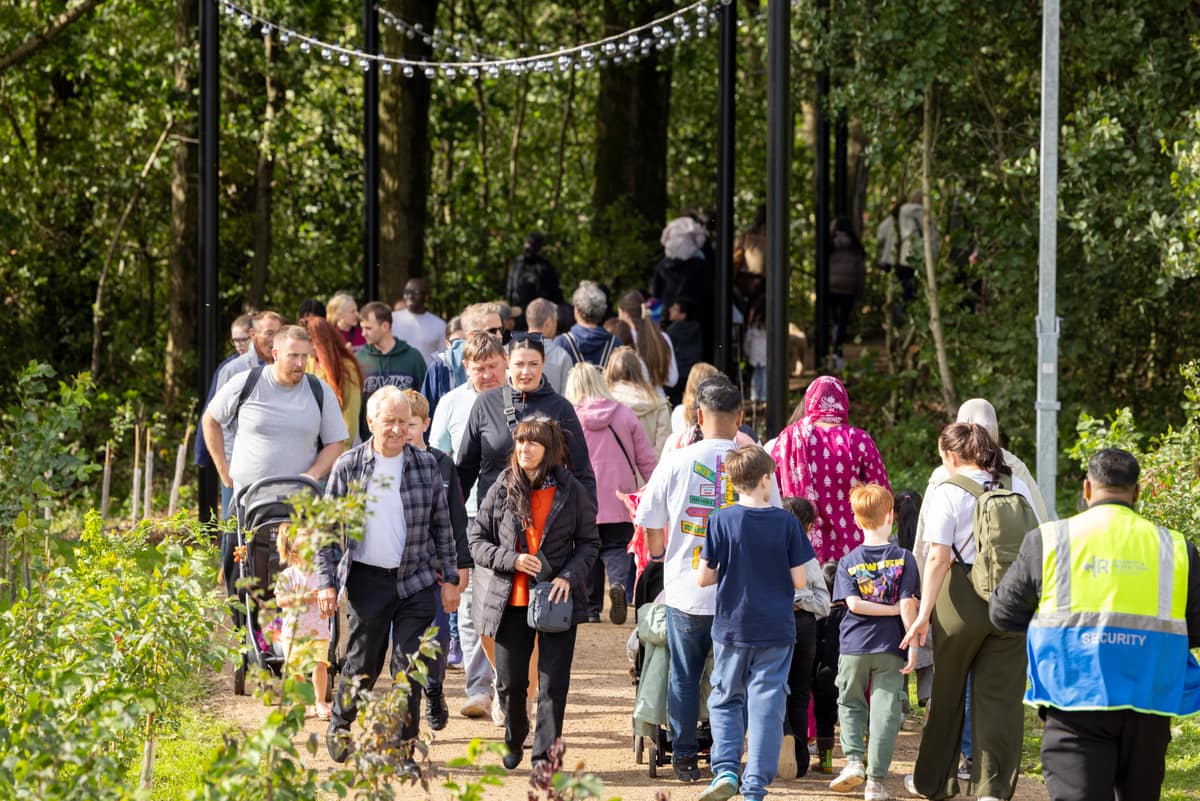
When the site opens, visitors will be able to access an expanding network of accessible green spaces, orchards, community gardens, food-growing areas and nature-rich landscapes. A year-round programme of events, volunteering opportunities, educational activities and wellbeing initiatives will help people connect with nature.
An outdoor play area designed for children to explore, play and connect with nature will also be available to families.
Food destination and chef partnership
Acclaimed Manchester chef, food writer and restaurateur Mary-Ellen McTague has joined Northern Roots as its new chef partner. She will lead menu development for the farm-to-fork food destination and support recruitment for key café roles, including head chef. Visitors will be able to see fruit, vegetables and herbs grown on the urban farm before being transformed into fresh meals metres away.
Training and employment
The new Forestry Skills Centre will provide specialist training in sustainable industries, including landscape management and crop growing. The facility will help local people gain qualifications, develop practical skills and access future employment opportunities.
Ambitions and impact
By 2030, Northern Roots aims to welcome up to 300,000 visitors each year, host 4,500 school visits annually and deliver more than 300 nature-based 'health prescriptions' every year. The project plans to create 150 volunteering placements, alongside training, apprenticeship and employment opportunities for local residents.
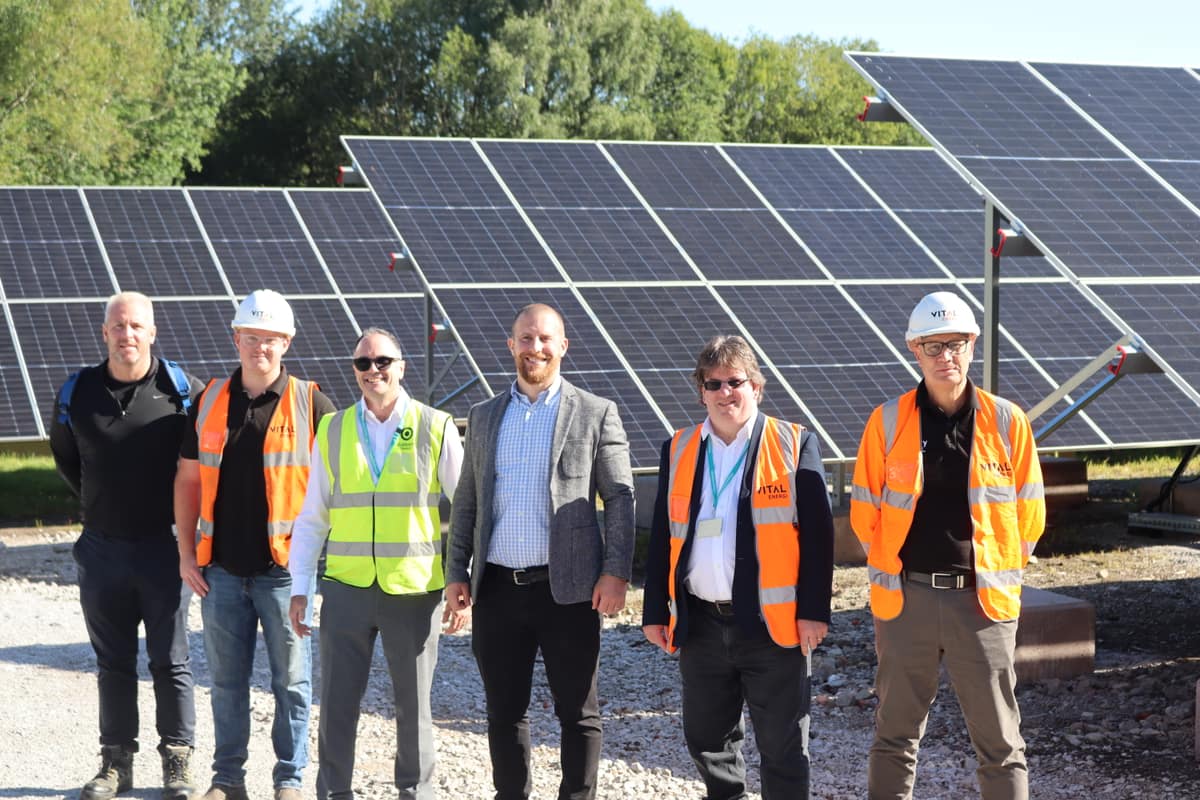
The development is expected to support up to 40 new businesses and help create between 60 and 80 jobs. Environmental benefits will include a new woodland and wetland habitat, renewable energy generation and the storage of tens of thousands of tonnes of carbon.